
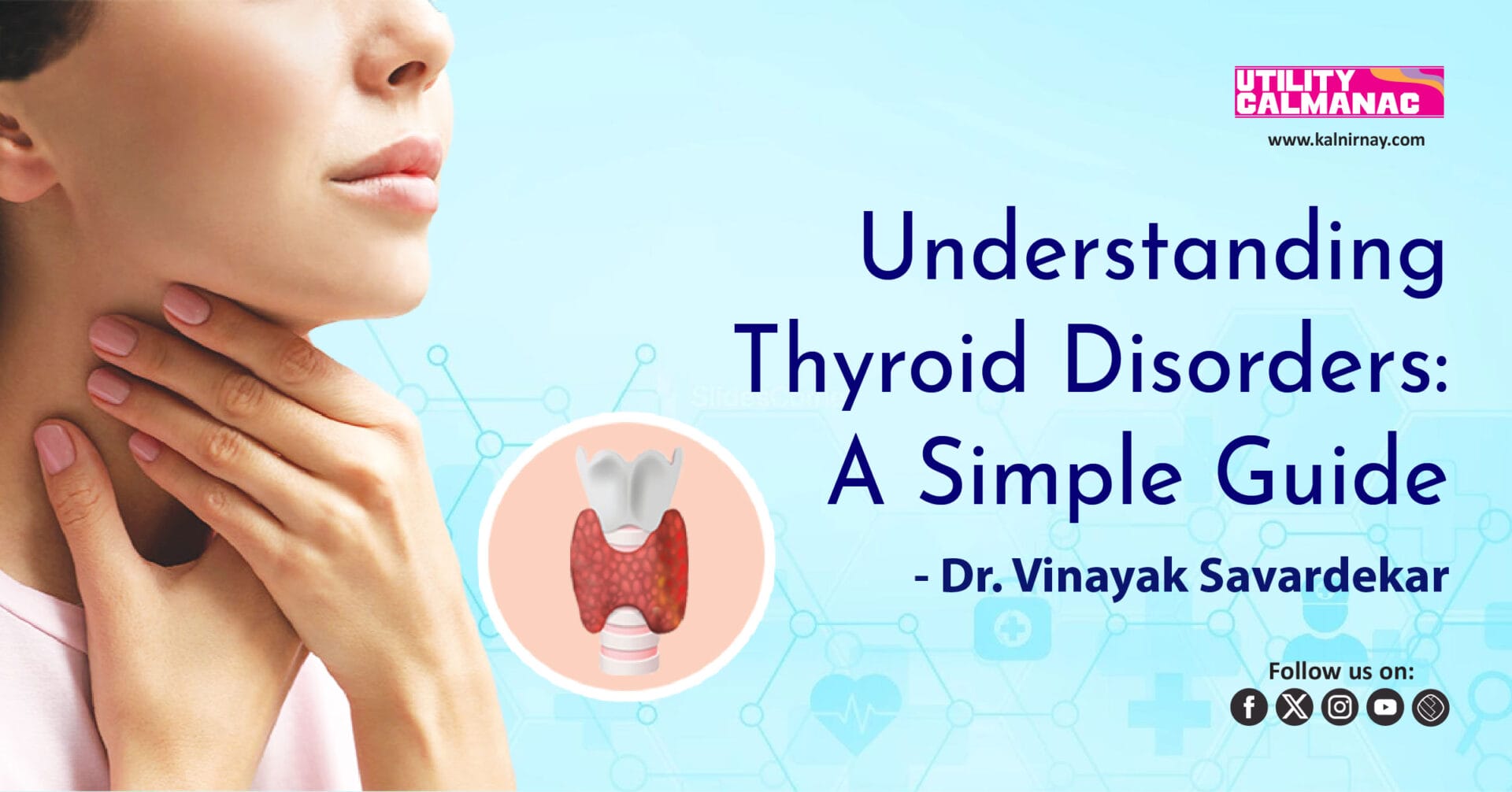
Understanding Thyroid Disorders: A Simple Guide
Everything you need to know for a healthy life.
We’ve all heard the word “thyroid”, but if you were to actually look at the human thyroid gland some day, you would be pretty surprised. The thyroid is a small, butterfly-shaped gland located at the front of your neck.
Despite its size, however, the thyroid plays a crucial role in regulating many of the body’s essential functions, such as metabolism, energy levels, and even mood. But when the thyroid doesn’t work as it should, it can lead to a thyroid disorder.
What is a Thyroid Disorder?
A thyroid disorder occurs when the thyroid gland produces too much or too few thyroid hormones. These hormones, known as T3 and T4, act as messengers, telling your body how fast or slow it should operate. When the thyroid is out of balance, it can affect everything from your weight to your heart rate, and from your energy levels to your mood.
One issue with thyroid problems is that one out of three people with the condition are unaware that they have it. This disorder is found 10 times more frequently in women than in men. Additionally, 44.3% of women are found to have thyroid issues during pregnancy and the first three months postpartum.
There are three main types of thyroid disorders:
- Hypothyroidism (underactive thyroid)(hT3, hT4, iTSH)
- What it is: In hypothyroidism, the thyroid does not produce enough hormones. This slows down body movement.
- Symptoms: Fatigue, weight gain, swelling of the face and feet, lethargy in the morning, dizziness, excessive sleep or chills, feeling cold even in heat, dry skin, hair loss and constipation are common symptoms. Some people may also experience depression or difficulty concentrating.
- Causes: The most common cause is Hashimoto’s disease, an autoimmune condition in which the body attacks the thyroid gland. Other causes include iodine deficiency, certain medications, and previous treatment for hyperthyroidism.
There are also certain symptoms that hypothyroidism causes in newborn babies.
- Yellowing of the skin and whites of the eyes (jaundice): This occurs when the liver cannot process a substance called bilirubin.
- Large, protruding tongue: The tongue may be abnormally large compared to the size of the baby’s mouth.
- Difficulty in breathing: The baby may have difficulty breathing normally due to an underactive thyroid.
- Rough cry: A baby’s cry may sound rough or harsh.
- Umbilical Hernia: Inflammation of the belly button area can cause a hernia.
There are also some other symptoms that may manifest in infants:
- Difficulty feeding: The baby may have difficulty absorbing or eating properly, which can lead to weight loss.
- Constipation: Stools may be strong and scanty.
When talking about the tyroid it is also essential to delve into the issue of Hyperthyroidism (overactive thyroid)( hT3, hT4, iTSH)
- What it is: In hyperthyroidism, the thyroid produces too many hormones, which speed up body movement.
- Symptoms: Weight loss despite eating more, feeling hot or sweaty, increased heart rate, feeling anxious or irritable, hand tremors, difficulty getting up or sitting down, and difficulty sleeping are signs of hyperthyroidism.
- Causes: The most common cause is Graves’ disease, another autoimmune condition in which the body causes the thyroid to produce too many hormones. Other causes include thyroid nodules and inflammation of the thyroid gland.
- Goitre
- The third type is swelling of the thyroid gland. This is called Goitre. If this disease is not cured by medicine, surgery is required. Hormones are often normal in this disease.
How is a Thyroid Disorder diagnosed?
If you have symptoms of a thyroid disorder, your doctor will likely perform a blood test to check your thyroid hormone levels. They may also check for antibodies that indicate an autoimmune thyroid condition. In some cases, an ultrasound of the thyroid gland may be needed.
Treatment Options
The treatment for thyroid disorders depends on whether you have hypothyroidism or hyperthyroidism:
- For Hypothyroidism: The most common treatment is daily thyroid hormone replacement pills. These pills provide the hormone your body isn’t making enough of, helping to bring your hormone levels back to normal.
- For Hyperthyroidism: Treatment options may include medications that reduce the production of thyroid hormones, radioactive iodine (which gradually shrinks the thyroid), or surgery to remove part or all of the thyroid gland. In some cases, beta-blockers may also be prescribed to manage symptoms like a rapid heart rate.
What to eat
If you have thyroid disorders, you can eat eggs, nuts, and whole grains. But they should not be eaten in excess.
Eggs contain selenium which helps regulate the thyroid. Eating cashews also helps improve hormonal balance. If one feels weak, then he or she should eat whole grains.
What not to eat
Beans or pulses are rich in protein. Protein intake should be limited if you have thyroid issues. If you have this disease and eat processed food, it can have serious consequences. This can further increase cholesterol levels.
Coffee, chocolate, broccoli and cauliflower should be avoided. These foods have thyroid-stimulating properties, which can aggravate the disease.
Is thyroid disease hereditary?
Yes, thyroid disease can be hereditary, meaning it can be passed from parent to offspring through genes. The thyroid gland secretes thyroid hormone (hormone) into the body, and an imbalance of this hormone is the main cause of thyroid disease. Symptoms of thyroid problems can include cold intolerance, depression, fatigue, and weight gain.
Research has found that about 65% of thyroid hormone production is determined by genetics. This means that a family history of thyroid disease may increase your risk of developing the disease.
Here are some effective remedies to prevent hereditary thyroid disorders:
- Eat a balanced diet.
- Maintain adequate iodine intake.
- Control stress levels.
- Exercise regularly.
5.Stay away from environmental toxins.
- Get enough sleep.
- Get regular thyroid checkups.
- Quit smoking.
- Seek expert guidance.
- Limit consumption of goiter-causing foods.
Living with a Thyroid Disorder
With the right treatment, most people with thyroid disorders can lead normal, healthy lives. Regular check-ups and blood tests are important to ensure your treatment is working and to adjust the dose
if necessary.
If you experience any symptoms of a thyroid disorder, it’s important to see your doctor for an evaluation. Early diagnosis and treatment can prevent complications and help you feel better faster.
Understanding your thyroid health is a key aspect of taking care of your overall well-being. So, if something feels off, don’t hesitate to get it checked.
To read more English blogs, please visit our blog section.
Dr. Vinayak Savardekar
The author is a renowned doctor and the Medical Superintendent of St. George Hospital in Mumbai.